
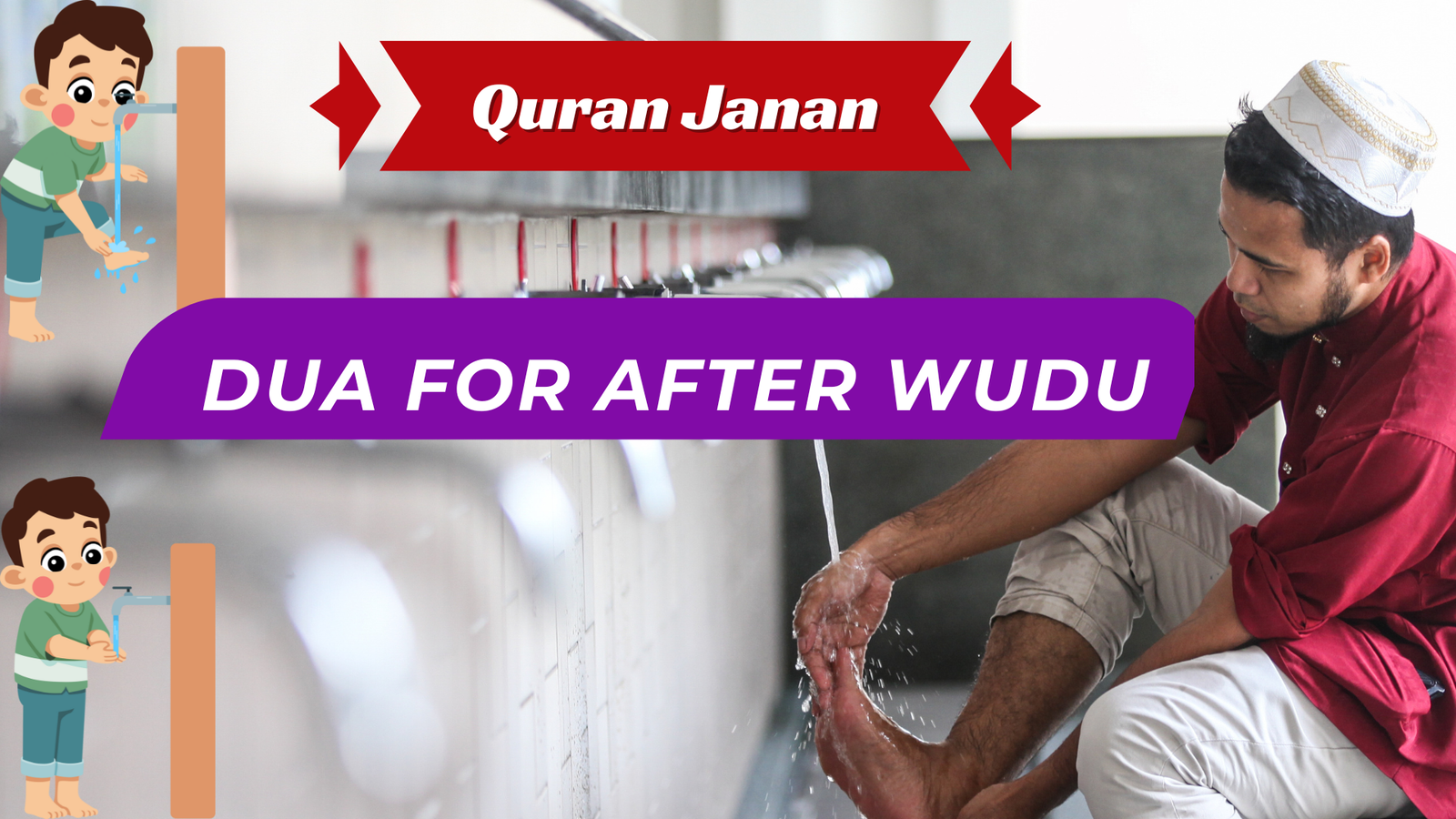
Why the Dua For After Wudu Matters – Beyond Just Ritual
Imagine standing at the threshold between the mundane and the sacred: you’ve just washed away the dust of the day, your senses feel gentle, your conscience light. In that still moment, the soft words of the dua after wudu become a bridge—between humble water and divine longing. This isn’t merely a formula: it’s an invitation to deepen faith, soften regret, and renew your soul before prayer. Let this reflection be your companion on that sacred inner walk.
Why This Dua Matters — The Inner Purification
After cleansing your hands, face, arms, and feet, there lies more than cleanliness. Beyond the water lies intention: a silent hope for forgiveness, renewal, and closeness to Allah. Reciting the shahada re‑anchors your identity in faith. Asking, “Make me among repenters and the purified,” humbles your heart, reminding you: even in your most ritual act, you seek growth.
Many pages note the reward of “eight gates of Paradise” opening for the reciter . But what if you first felt the weight of your heart soften with each syllable?

The Supplication: Arabic • Transliteration • Meaning
Arabic
أَشْهَدُ أَنْ لاَ إِلَهَ إِلاّ اللهُ وَحْدَهُ لاَ شَرِيكَ لَهُ وَأَشْهَدُ أَنَّ مُحَمَّدًا عَبْدُهُ وَرَسُولُهُ
Transliteration
Ash‑hadu an lā ilāha illallāhu waḥdahu lā sharīka lah, wa ash‑hadu anna Muḥammadan ‘abduhu wa Rasūluhu.
Meaning
“I bear witness that none deserves worship but Allah Alone, with no partner, and I testify that Muhammad is His servant and Messenger.”
Then pause, breathe. Reflect. Feel the heart affirm unity and trust.
Often recited three times, it opens eight gates of Jannah, as narrated in the Prophetic tradition.
Allahumma‑jal’nī min at‑tawwaabeena…
Transliteration
Allahumma‑jalnī min at‑tawwaabeena wajʿalnī minal‑mutatahhirīna.
Meaning
“O Allah, make me among those who repent, and among those who purify themselves.”
This ask is soft and humble: not perfect, but sincere; not sinless, but repentant. It ties internal transformation with outward cleanliness.
Subḥānaka Allahumma wa biḥamdika…
Transliteration
Subḥānaka Allahumma wa biḥamdika, ‘ash‑hadu an lā ilāha illā Anta, astaghfiruka wa atūbu ilayk.
Meaning
“Glory to You, O Allah, and praise You; I bear witness that You alone deserve worship. I ask forgiveness and turn to You in repentance.”
This du‘a is sometimes added for its expansive mercy: affirming Allah’s perfection, seeking forgiveness, and renewing intentio.
A Short Story: When Water Heals the Heart
Sara paused mid‑wudu, tears brimming. She was angry, hurt by betrayal at work. As she washed her face, she whispered the shahada, each word feeling like a cooling balm. By the time she reached the feet, her anger had released. When she finally recited Allahumma‑jalnī, she surrendered the bitterness. Prayer that followed felt connected, sincere. This dua didn’t just purify flesh—it opened cracks in her hardened soul.
How to Make It Deeply Personal
-
Pause thoughtfully mid‑wudu: breathe and connect with each phrase.
-
Understand meaning before reciting: prayer becomes intention, not recitation.
-
Allow silence: let emotion rise—grief, hope, remorse, awe.
-
Repeat with sincerity—not mechanically. Three times is blessed, but even once with feeling carries weight.

FAQs
What is the dua for after wudu in Arabic and English?
It is the declaration of faith (shahada) in Arabic, transliteration, and translation as shown above. It’s recited immediately after completing wudu.
Why recite the shahada after wudu?
Because the Prophet ﷺ said whoever does so after proper ablution will have the eight gates of Paradise opened for him.
Are there any additional duas after wudu?
Yes—two commonly added sunnah duas: Allahumma‑jalnī min at‑tawwaabeena… and Subḥānaka Allahumma…
How many times should you recite the dua?
Traditionally three times, but reciting it with consciousness even once holds great spiritual value.
Can I say the dua in English instead of Arabic?
Arabic is preferred, but understanding its meaning in your own language deepens sincerity.
What heart state should I have when reciting it?
Come with humility, a feeling of gratitude, and desire for purification—not routine but soul‑awareness.
Does wudu without this dua invalidates prayer?
No. It’s a voluntary sunnah. Prayer remains valid, though reciting the dua brings extra reward.
What if I mispronounce some words?
That’s okay—your intention matters. Learn gradually, ask someone kind to listen, and let meaning guide you.
Conclusion
This dua after wudu is more than tradition—it’s a soulful breath before stepping into communion with your Creator. In every syllable, you reaffirm unity, beg forgiveness, and invite purification. It doesn’t demand perfection; it asks for sincerity. Let it anchor you in momentary peace and point your heart toward deeper journeys. May each act of ablution become not just cleansing of the body, but awakening of the soul.
Why Do Muslim Women Wear the Hijab? A Story of Faith & Identity


