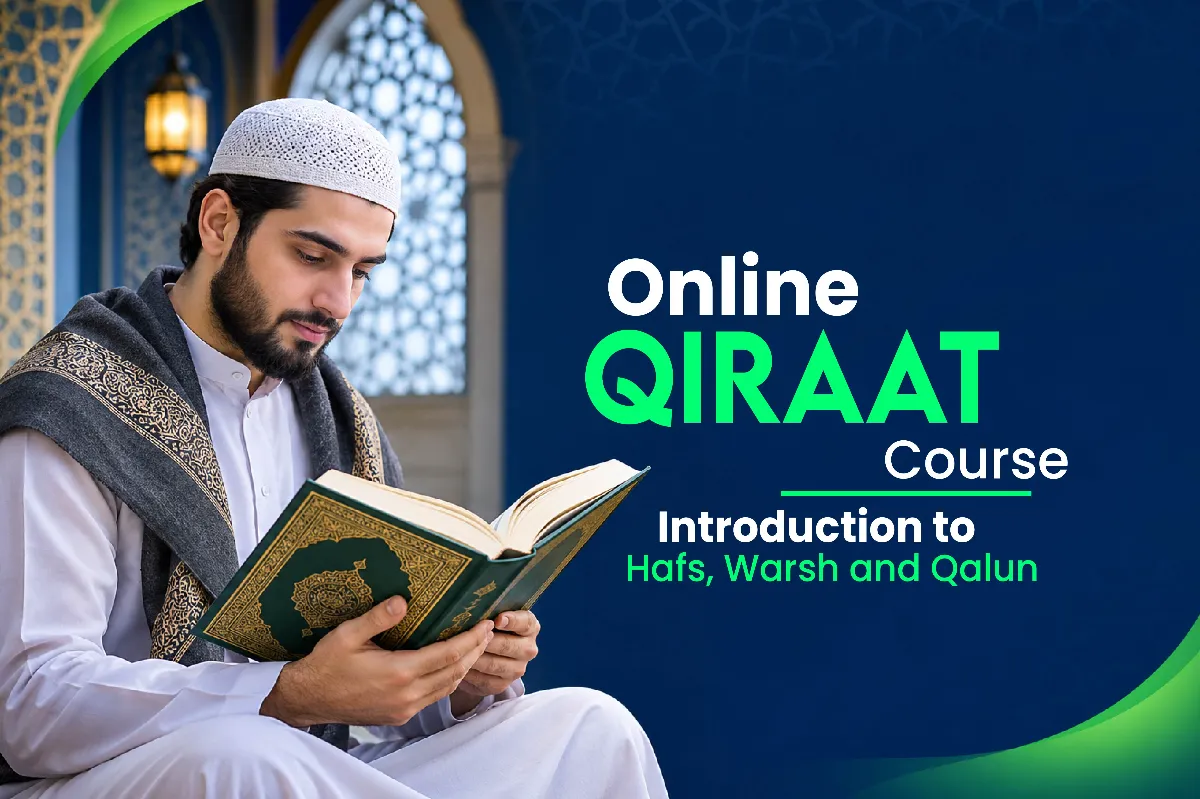
The Quran is recited with care, respect and attention to its words. Many Muslims first learn to read the Quran through a familiar recitation. Later, they may become interested in the different authentic ways of reciting the Quran. A Qiraat Course Online can help students explore this subject with the guidance of a qualified teacher, without needing to travel to a classroom.
Online learning can be helpful for adults, children and busy families. Students can arrange lessons around school, work and home responsibilities. They can also practise between classes and ask their teacher questions when something is unclear.
This guide introduces three well known transmission traditions: Hafs, Warsh and Qalun. It explains what they are, who may benefit from learning about them, and what to consider before joining online Qiraat classes. If you are considering learning with Quran Janan, use these points to understand what to ask about the course, teacher and learning plan.
What Does Qiraat Mean?
The Arabic word Qiraat refers to ways of reciting the Quran that have been transmitted through recognised chains of reciters. These recitations are part of the scholarly tradition of Quran recitation. They are not simply personal styles or casual changes in pronunciation.
The study of Qiraat involves careful learning. Students need to understand the rules, listen closely to a qualified teacher and practise the recitation accurately. A student should not try to learn all the differences by reading short descriptions alone. Hearing the recitation and receiving correction are important parts of the process.
Why Learn Different Qiraat?
Learning about different Qiraat can help students appreciate the depth of the Quranic recitation tradition. It can also help them understand why they may hear a familiar verse recited slightly differently by a trained reciter.
The recognised readings follow established scholarly rules and transmission. Their differences are studied carefully by qualified teachers. Learning them is not about choosing whichever sound seems easiest. It is about learning a specific reading correctly and respecting its rules.

Understanding Hafs, Warsh and Qalun
Hafs, Warsh and Qalun are names commonly used for well known transmissions of Quran recitation. Each is connected to a recognised reader through a chain of transmission. Students should learn the details from a teacher who is trained in the particular reading being studied.
Hafs an Asim
Hafs refers to the transmission of the reading of Asim through Hafs ibn Sulayman. This transmission is widely used in many parts of the Muslim world, including much of South Asia. For this reason, many students begin their Quran learning with Hafs.
If you already read the Quran in Hafs, an online Quran recitation course can help you strengthen your pronunciation, Tajweed and fluency before you begin studying another transmission. A strong foundation makes advanced learning more manageable.
Warsh an Nafi
Warsh refers to the transmission of the reading of Nafi through Warsh, also known as Uthman ibn Said. This transmission has a long history and is commonly associated with parts of North and West Africa.
Warsh has specific recitation features that students need to learn from a qualified teacher. Some rules and sounds differ from the Hafs transmission. Students should avoid mixing the rules of different transmissions without proper instruction.
Qalun an Nafi
Qalun is another transmission of the reading of Nafi. It is associated with Qalun, also known as Isa ibn Mina. It is used in some Muslim communities and has its own recognised features.
When studying Qalun, students learn its rules step by step, with listening practice and correction. A teacher can explain how it relates to the reading of Nafi and how it differs from other transmissions.
Why a Qualified Teacher Matters
A written article can provide a general introduction, but it cannot replace instruction from a trained teacher. The sounds, timing and detailed rules of Quran recitation need to be demonstrated and checked. Before enrolling in a Qiraat Course Online, ask whether the teacher has suitable training in the specific transmission you want to study.
Who Can Join Online Qiraat Classes?
The right course depends on a student’s current reading level, goals and available time. Some courses are designed for students who are still improving basic Quran reading. Others are intended for learners who already have a strong foundation in Tajweed.
Beginners and Regular Quran Readers
If you are new to Quran recitation, you may need to begin with Arabic letters, correct pronunciation and basic Tajweed before studying different transmissions. This is a sensible step, not a setback. Building a good foundation can prevent confusion later.
Regular Quran readers may be ready to review their pronunciation and learn more about the recognised readings. A teacher can assess your current level and suggest a suitable starting point.
Students Who Want to Improve Recitation
Students who already recite fluently may want to improve accuracy, understand the rules in more depth or study a transmission used in a particular community. Online Qiraat classes can provide a structured way to work toward these goals.
Children and adults can both benefit from guided learning, but the lesson length and teaching method should suit the student. Ask the course provider how progress is checked and how much practice is expected between lessons.
What You May Learn in a Qiraat Course Online
Course content differs by teacher and student level. Before joining, ask for a clear syllabus rather than assuming every course covers the same material.
Correct Pronunciation and Tajweed
Students may review the articulation points of Arabic letters, letter characteristics, elongation, pauses and other Tajweed rules. These skills help support clear and careful recitation.
The exact topics depend on your level and the course plan. Students who need basic Tajweed support may benefit from completing that work before moving to the specific features of Hafs, Warsh or Qalun.
Main Features of Each Recitation
A course may introduce the rules and features associated with the selected transmission. Students should learn one planned path at a time and follow the teacher’s guidance. The aim is accurate learning, not memorising a list of differences without understanding how they are applied.
Ask whether the course covers Hafs, Warsh or Qalun, and whether it teaches one transmission or compares more than one. This will help you choose a course that matches your goal.
Listening, Practice and Correction
Listening carefully is an important part of learning Quran recitation. A teacher may recite a passage, ask the student to repeat it and correct mistakes. Regular short practice sessions can help students remember what they learn.
Students should feel comfortable asking questions. If a rule is difficult, ask the teacher to demonstrate it again and explain what to listen for. Keep a record of corrections and review them before the next lesson.
How to Choose the Right Online Qiraat Course
Choosing a course carefully can save time and help you learn with confidence. Compare the teacher, lesson structure, class timing and feedback process before making a decision.
Check the Teacher’s Qualifications
Ask about the teacher’s training and experience in the particular reading you want to study. General Quran teaching experience may not mean that a teacher is qualified to teach every Qiraat transmission. Look for clear information about the teacher’s background and the course level.
Ask About the Course Plan
A good course plan should explain what students will study, how progress will be reviewed and what level is expected before joining. Ask whether the course includes individual correction, revision and practice tasks.
Do not rely only on a course title. Confirm whether it focuses on basic recitation, Tajweed, Hafs, Warsh, Qalun or a more advanced study of Qiraat.
Choose a Suitable Class Schedule
Online learning is easier to maintain when the schedule fits your daily life. Check lesson length, weekly frequency, missed-class policies and the technology needed for classes. A stable internet connection, a quiet space and a device with clear audio can make lessons more effective.
Learning Qiraat Online with Quran Janan
Quran Janan is the brand name to look for when exploring Quran learning options. Before joining a Qiraat Course Online with Quran Janan, contact the provider to confirm the available course levels, teacher qualifications, lesson format and schedule. Ask specifically whether Hafs, Warsh and Qalun are offered, because availability can differ between programmes.
You can also ask for an assessment lesson or a discussion about your current recitation level. This can help you understand whether you should first strengthen your Tajweed or begin studying a particular transmission. Choose a learning plan that values accuracy, patient correction and steady progress.
Tips for Learning Qiraat Successfully
Set a realistic practice routine. Short, focused practice on most days may be easier to maintain than one long session each week. Follow your teacher’s instructions and avoid combining rules from different transmissions without guidance.
Listen to reliable recitations of the transmission you are studying, using sources recommended by your teacher. Keep notes on difficult words, rules and corrections. Review these notes before class and ask questions whenever you are unsure.
Be patient with your progress. Learning Qiraat takes time, attention and regular correction. The goal is not to rush through lessons, but to develop a careful and accurate recitation.
Conclusion
A Qiraat Course Online can help students explore the recognised traditions of Quran recitation with guidance from a qualified teacher. Hafs, Warsh and Qalun each have their own transmission history and features, so careful instruction is important. Begin with the right level, practise regularly and ask questions when you need help. If you are considering Quran Janan, confirm the available courses and teacher qualifications before enrolling.
Frequently Asked Questions About Qiraat Course Online
1. What is a Qiraat Course Online?
A Qiraat Course Online is a course that teaches students about Quran recitation through online lessons. Depending on the programme, it may cover a particular transmission, its rules and guided recitation practice.
2. What is the difference between Hafs, Warsh and Qalun?
Hafs, Warsh and Qalun are recognised transmissions associated with Quran recitation. Each has established features and rules. A qualified teacher can explain their differences accurately and help students learn the selected transmission.
3. Can beginners learn Qiraat online?
Yes, but beginners may need to learn Arabic letter pronunciation and basic Tajweed first. Ask the teacher to assess your reading level and recommend an appropriate starting point.
4. Do I need to know Tajweed before studying Qiraat?
A good understanding of Tajweed is helpful and may be required for some courses. The entry level depends on the teacher and the transmission being taught, so check the course requirements before enrolling.
5. Can I learn Hafs, Warsh and Qalun in one course?
Some programmes may introduce more than one transmission, while others focus on one. Ask the provider what is included and whether students are expected to master one transmission before beginning another.
6. How long does it take to learn Qiraat?
The time needed depends on your current recitation level, practice routine, lesson frequency and learning goals. Ask the teacher for an individual plan rather than relying on a fixed time estimate.
7. Are online Qiraat classes suitable for children?
They can be suitable when lessons are planned for the child’s age, reading level and attention span. Parents should check the teacher’s experience, class format and progress feedback.
8. What do I need for online Quran recitation classes?
You generally need a phone, tablet or computer, a stable internet connection, clear audio and a quiet place to practise. Follow the provider’s instructions for joining lessons.
9. How can I choose a qualified Qiraat teacher?
Ask about the teacher’s qualifications, experience and training in the specific transmission you want to study. Also ask how the teacher checks pronunciation, corrects mistakes and measures progress.
10. Does Quran Janan offer Hafs, Warsh and Qalun courses?
Course availability should be confirmed directly with Quran Janan. Contact the provider to ask which transmissions are currently taught, what level is required and how lessons are scheduled.


